Analysis
Hormuz is more than an oil route. Reopening it requires more than an announcement
Iran's latest conditions keep the shipping passage at the center of diplomacy. The crucial distinction is between a political agreement and reliable commercial transit.
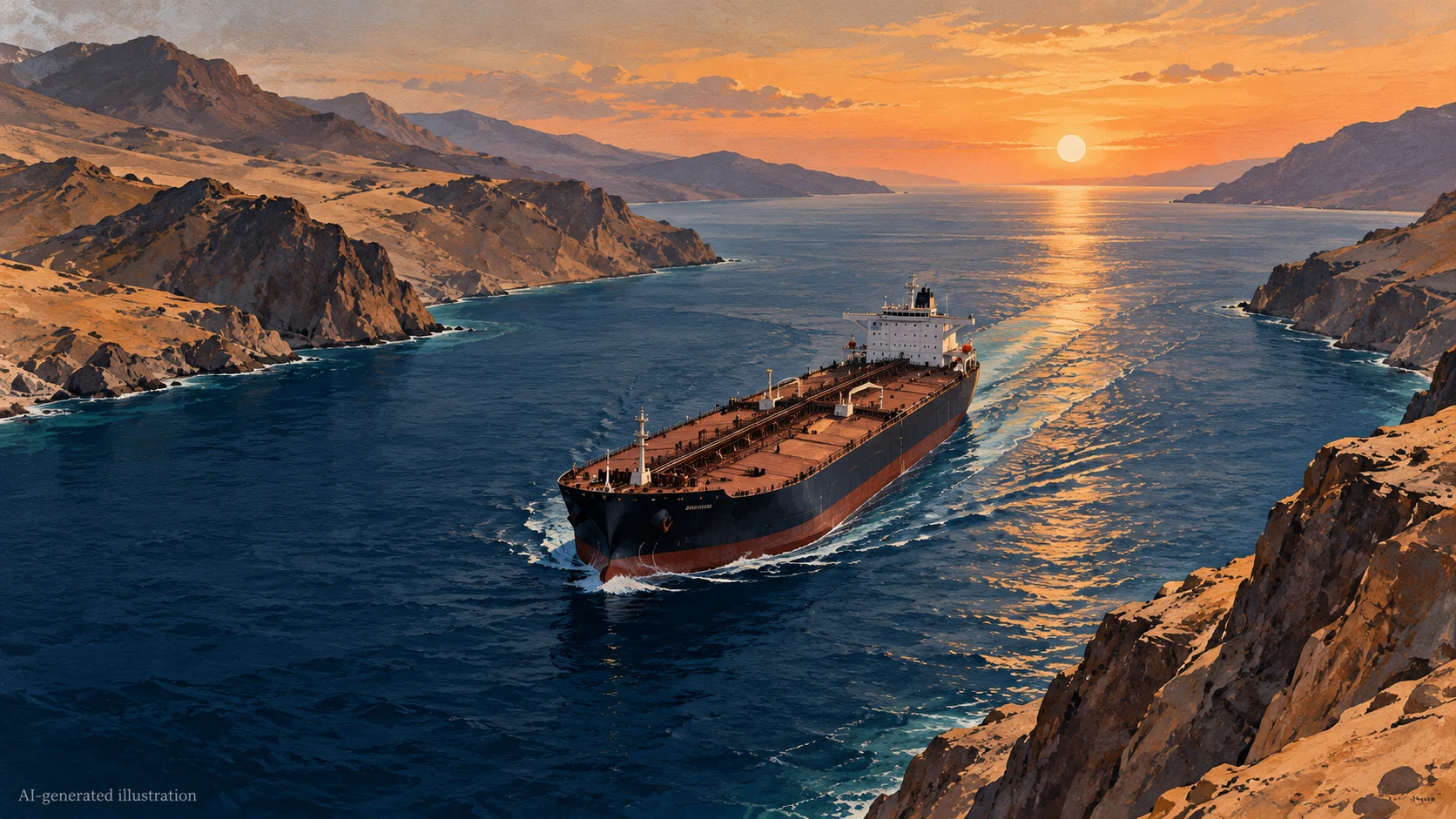
A diplomatic announcement can move a market in seconds. Restoring a dependable shipping route is a different task.
Iran's parliament speaker Mohammad Baqer Qalibaf said on October 4 that the Strait of Hormuz would not reopen until seven conditions under a June understanding with the United States were met, Reuters reported, citing Iranian state media. Tehran also denied offering nuclear inspections in exchange for sanctions relief. Those are Iranian statements; they do not establish that Washington accepts Tehran's account of the negotiations. [1]
For energy consumers, the question is what it would take for tankers to move normally and keep moving.
The scale before the disruption
The U.S. Energy Information Administration estimates that 20.9 million barrels a day of oil passed through Hormuz in the first half of 2025—roughly one-fifth of global petroleum-liquids consumption and a quarter of maritime oil trade. [2]
Those are historical flows, not a measurement of traffic today.
Hormuz connects the Persian Gulf to the Gulf of Oman and the Arabian Sea. EIA notes that alternative routes could move only part of the oil normally using the strait. [2]
That geography makes it different from a traffic jam with many equivalent detours. A producing country can possess oil, a customer can want to buy it, and the transaction can still be constrained by the route between them.
The same barrel also cannot be counted twice: production capacity, available supply and safely deliverable supply are related but different quantities.
Why a promise to reopen is only a first step
The following is practical analysis, rather than a claim that a particular reopening plan has been agreed.
A durable return to shipping would need more than a statement of political intent. Shipowners would need enough confidence to commit vessels and crews. Cargo schedules would need to be workable. Insurers and counterparties would need to assess the remaining risks.
That creates several possible stages: a diplomatic understanding, an initial passage, repeated commercial transits and a sustained return toward normal capacity.
Treating the first stage as proof of the last could give readers an exaggerated impression of how quickly pressure will ease.
The American interest is wider than direct imports
A global supply disruption does not need to remove a barrel from a specific American refinery to matter to the wider market. Buyers can compete for substitute supplies, and producers can reconsider where to sell.
That is an economic mechanism, not a forecast of next week's gasoline price. Pump prices also depend on refining, inventories, distribution and taxes. A single diplomatic headline cannot determine the final outcome.
For Washington, the policy problem combines keeping commerce moving with evaluating the terms demanded for doing so. Speed has value, but so do enforceability and the durability of any arrangement.
What would count as meaningful progress?
Watch for a publicly specified agreement, confirmation from the relevant parties and evidence of sustained shipping activity. Distinguish announced capacity from observed flows.
The strait's importance is measurable. The terms of a settlement remain contested. An interesting headline about a reopening date should not obscure the more demanding question: can commercial traffic resume on terms that ships, crews and their customers can rely on?
Sources
Was this article useful?
Loading feedback…
One current vote per article in this browser. Select your vote again to remove it, or choose the other button to change it. This is reader feedback, not a representative poll.