News
Portugal’s Lajes inquiry puts the rules behind U.S. base access under scrutiny
Saturday's political response sharpened a dispute over the Azores air base. Opening an investigation does not establish that the government's authorization was unlawful.
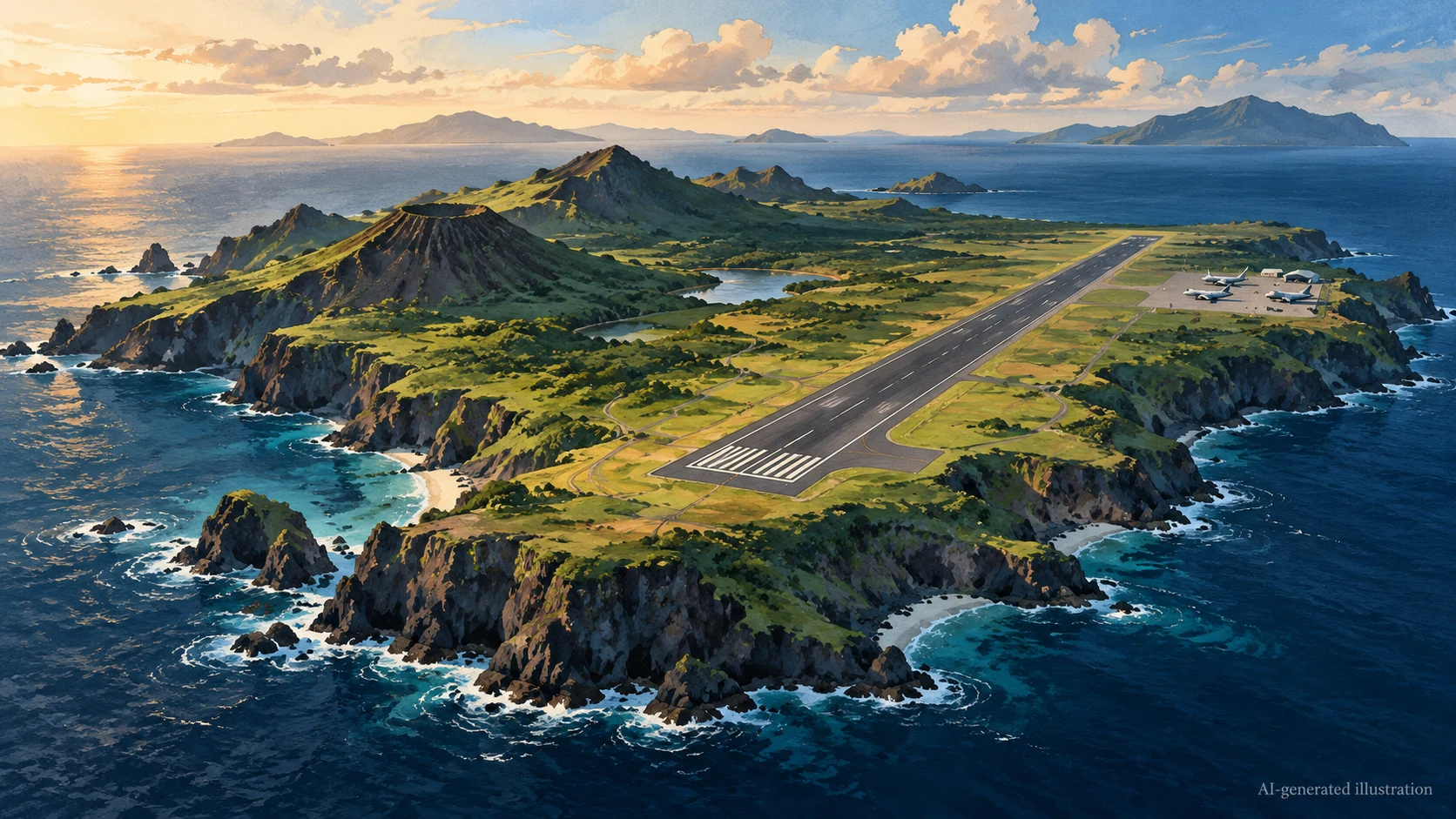
Portugal's dispute over American use of the Lajes air base intensified on October 3 as opposition politicians challenged the government's legal justification and prosecutors' inquiry drew wider attention.
Portuguese public broadcaster RTP reported the Left Bloc's response to the investigation on Saturday. Party leader José Manuel Pureza argued that the inquiry undermined the government's assurances, while also saying its conclusions should be awaited. That was an opposition assessment—not a conclusion announced by prosecutors. [1]
The distinction matters in a story where a legal process and a political argument are unfolding together.
What is being examined
Reuters reported that prosecutors were investigating the government's authorization of U.S. use of Lajes during the Iran conflict. It described an agreement allowing American use without prior approval in peacetime but requiring Portuguese authorization once hostilities begin.
Foreign Minister Paulo Rangel has defended the authorization as lawful and said Portugal obtained assurances that operations would be defensive, necessary, proportionate and confined to military targets. [2]
The inquiry puts those decisions under scrutiny. It does not, by its existence, show that the assurances were false or that a crime occurred.
Lajes is on Terceira in the Azores. Its place in the story illustrates how a conflict's political and legal consequences can extend far beyond the area of combat.
Saturday's development—and the earlier timeline
This is an October 3 follow-up, not a claim that the matter first became public that day.
Diário de Notícias published the prosecutor-general's confirmation on Friday, October 2, citing its response to the Lusa news agency. The newspaper also reported that the Left Bloc had filed its complaint in April. The inquiry therefore follows a dispute that had been developing for months. [3]
RTP's Saturday coverage focused on the political reaction. It recalled that proposals for a parliamentary inquiry from the Left Bloc and the Communist Party had been rejected in June. [1]
That chronology helps avoid a common error: treating the date of an international report as the moment an investigation necessarily began.
Alliance access still involves national decisions
The practical issue extends beyond whether a country generally supports a military ally. Access to a facility can be governed by conditions that differ between peace and hostilities.
The government's position and the opposition's objection therefore need to be tested against the actual authorization and applicable rules. A favorable attitude toward the alliance cannot settle the legal question; opposition to the conflict cannot settle it either.
A prosecutor's inquiry, parliamentary oversight and political criticism are also different mechanisms. The failure of a proposed parliamentary investigation does not tell readers what prosecutors will find.
What remains unknown
The material reviewed for this report does not establish a charge, a court finding or a resulting suspension of U.S. access. It also does not provide a basis to attribute a particular combat operation to a specific transit through Lajes.
The next substantive developments would be a clearer account of the inquiry's scope, additional official documentation or a prosecutorial decision.
For now, Saturday's story is that the rules behind an important military relationship are facing renewed public examination. Whether those rules were breached remains a question for evidence, not a conclusion to infer from the announcement of an investigation.
Sources
Was this article useful?
Loading feedback…
One current vote per article in this browser. Select your vote again to remove it, or choose the other button to change it. This is reader feedback, not a representative poll.